
Skilling Training
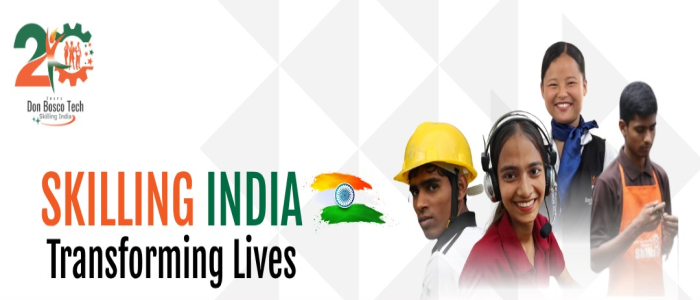
Skilling training refers to structured programs designed to equip individuals with practical knowledge, technical abilities, and industry-relevant competencies. These trainings focus on enhancing employability by bridging the gap between academic learning and real-world job requirements. Whether it is for freshers entering the workforce or experienced professionals looking to upgrade their capabilities, skilling training plays a crucial role in career development across various sectors.
These programs cover a wide range of domains such as technical skills (like IT, electrical work, machinery handling), soft skills (communication, teamwork, leadership), and vocational training (carpentry, plumbing, tailoring, etc.). Many skilling initiatives are aligned with industry standards, ensuring that trainees gain hands-on experience and job-ready expertise. With the growing demand for skilled labor, industries increasingly rely on trained individuals who can contribute effectively from day one.
Skilling training also promotes entrepreneurship by empowering individuals to start their own businesses or freelance services. Government and private organizations often offer certification programs, workshops, and on-the-job training opportunities to support skill development. These initiatives not only improve individual livelihoods but also contribute to economic growth by building a competent workforce.
In today’s rapidly evolving job market, continuous learning and upskilling have become essential. Skilling training helps individuals stay competitive, adapt to new technologies, and explore better career opportunities. By investing in skill development, both individuals and organizations can achieve long-term success and sustainability.